
Don't Forget the Pets: Adding Them to Your Emergency Care Plan
November 6, 2026
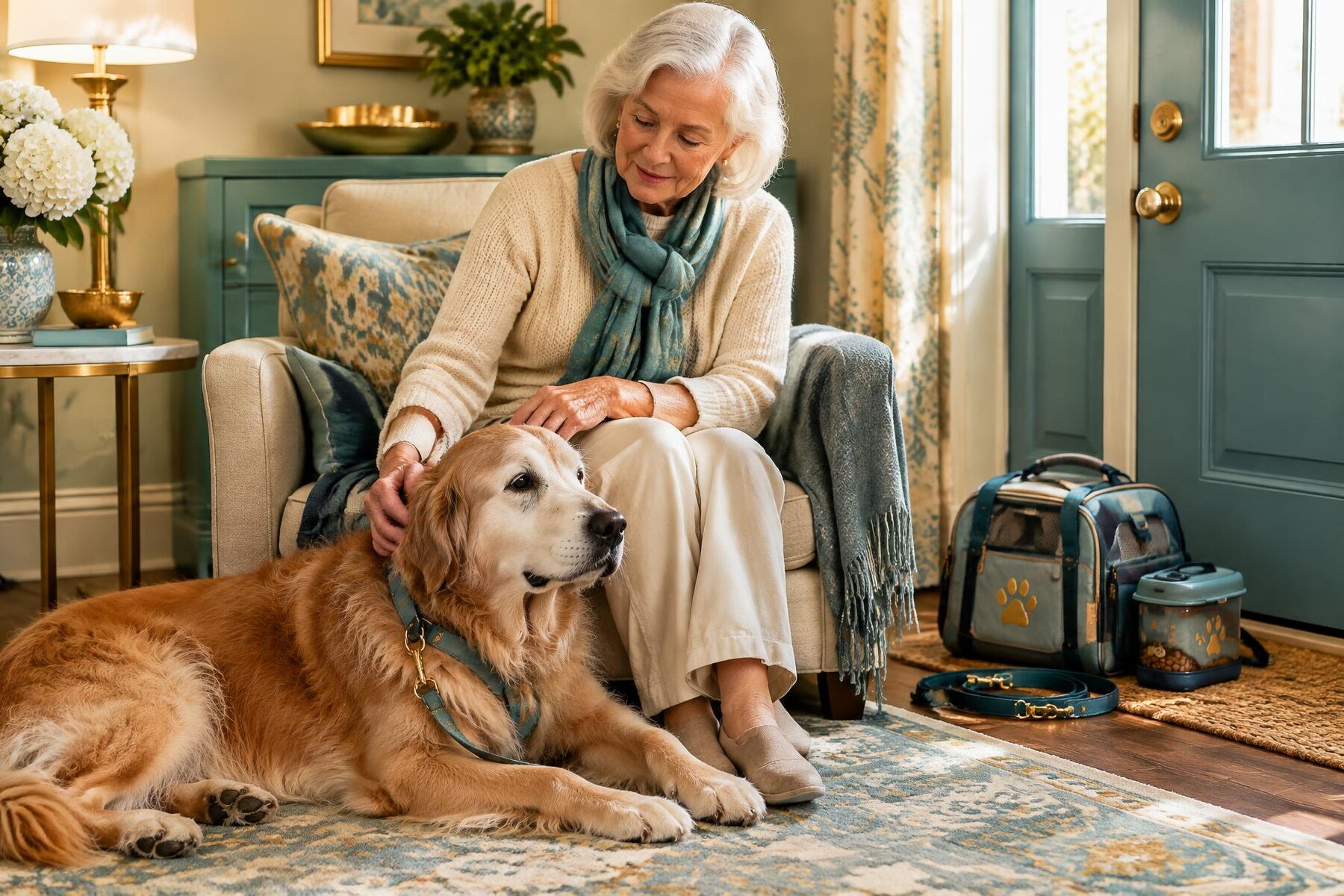
For many older adults, a pet is family. A dog or cat can bring companionship, routine, and joy. But in an emergency, such as a hospital stay or sudden evacuation, a pet can be forgotten in the rush. Your loved one may worry more about their pet than about themselves.
Including pets in your caregiving emergency plan is a simple step that brings real peace of mind.
Talk with your loved one about their pet
Ask your loved one what matters most about their pet's care. Who do they trust to look after the animal? What routines matter? Including them in these decisions respects the bond they share.
Choose a pet backup person
Identify at least one person who could care for the pet on short notice. A second backup is even better. Talk with them ahead of time. Make sure they are comfortable with the animal and know where to find supplies.
Consider whether the backup could take the pet to their home or would need to care for it in your loved one's home.
Write down care details
Keep a short pet information sheet with your other caregiving documents.
- Pet's name, species, breed, age, and a recent photo
- Feeding schedule and food type
- Medications and instructions from the veterinarian
- Veterinarian's name and phone number
- Behavior notes, such as fears or how the pet gets along with others
- Microchip information, if applicable
Our guide to organizing important caregiving information can help you keep this sheet with the rest of your loved one's records.
Prepare a pet emergency kit
Ready.gov, a public service of the Federal Emergency Management Agency, recommends preparing an emergency kit for pets that includes food, water, medicine, and other supplies. A basic kit might include:
- Several days of food and water
- Bowls
- Medications and copies of medical records
- Leash, collar, or carrier
- Litter supplies for cats
- A familiar blanket or toy
Keep the kit in an easy-to-find place, and tell your backup person where it is.
Plan for evacuations
If your loved one may need to leave home quickly, find out ahead of time which shelters, hotels, or family homes can accept pets. Keep a list of those options. Not every place accepts animals, so it is better to know in advance.
A sample pet emergency plan
Here is an example you can adapt.
- Pet: Biscuit, 11-year-old dog
- Primary backup: Neighbor Linda, has a key, knows Biscuit well
- Second backup: Grandson Marco, 20 minutes away
- Supplies: Pet kit in the hall closet, labeled
- Care sheet: In the blue caregiving binder and a photo on Linda's phone
- Vet: Name and number on the care sheet
- Evacuation: Two pet-friendly options listed on the care sheet
Keep it updated
Pets age and their needs change. Review the plan a few times a year, especially if medications or routines change. Make sure your backup people still can help.
Include pets in the bigger picture
A pet plan works best as part of a larger family plan. Our article on creating a family caregiving plan covers the broader picture, and our guide to preparing for a power outage covers another kind of emergency.
Think about longer-term care
Sometimes an emergency becomes a longer change, such as a move to assisted living or a long hospital stay. Ask your loved one gently what they would want for their pet if they could not care for it for an extended time. Some communities allow pets and some do not. Having the conversation early, while there is no crisis, lets your loved one make the choice instead of having it made for them.
Writing their wishes down, and sharing them with the backup person, helps everyone honor them later.
Your next step
Ask your loved one this week: "If you had to go to the hospital, who would you want to take care of your pet?" Write down the answer, and start a pet care sheet today.