
When the Power Goes Out: A Family Caregiver's Outage Plan
November 6, 2026
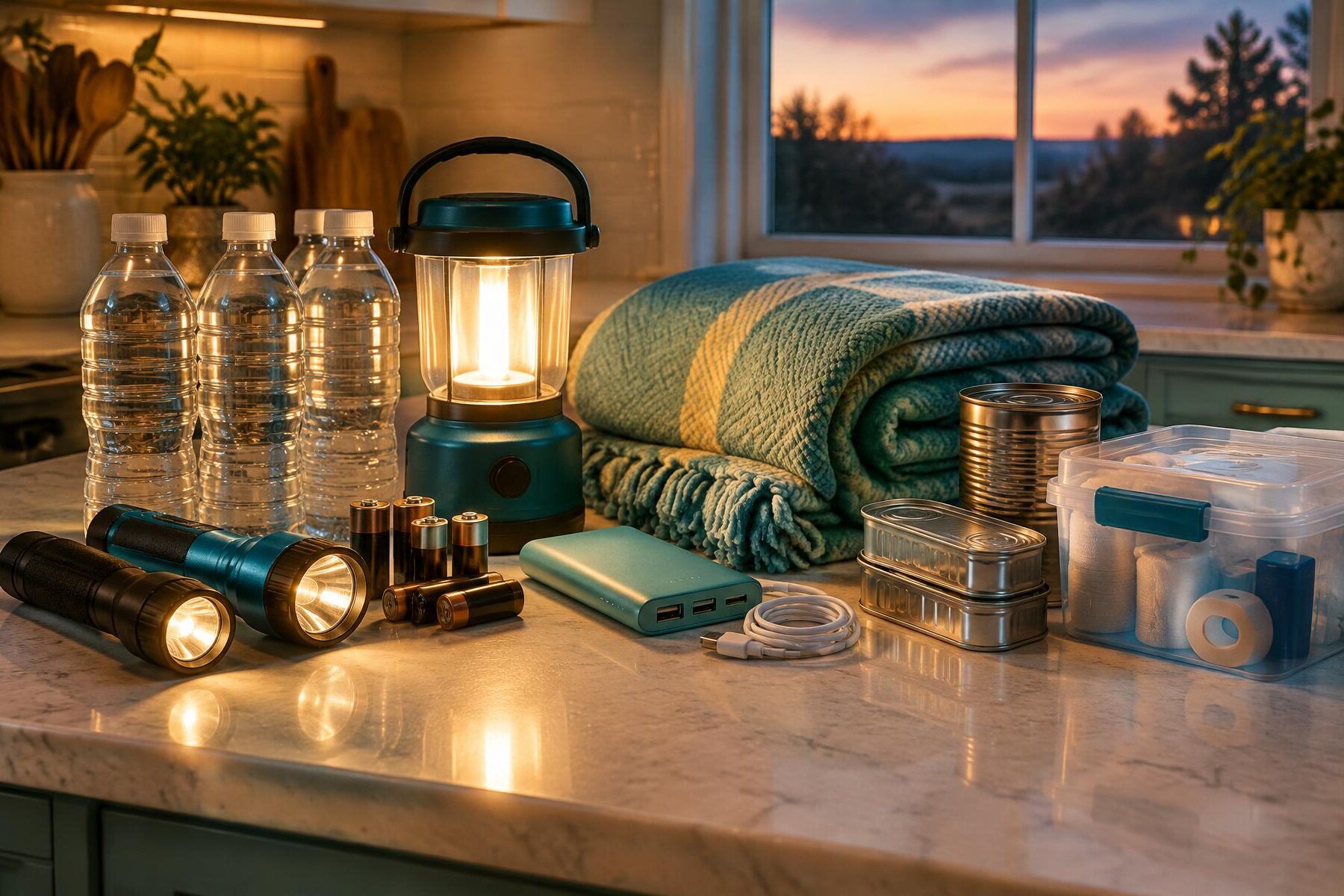
For many households, a power outage is an inconvenience. For an older adult who lives alone, uses medical equipment, or is sensitive to heat or cold, it can be more serious. Planning ahead helps families respond calmly when the lights go out.
This article covers general preparation. If your loved one uses any medical device that depends on electricity, get specific instructions from their health care provider and the device manufacturer. Do not rely on general guidance for those devices.
Know the official guidance
The CDC explains how to protect yourself during a power outage, including food safety and carbon monoxide risks. Ready.gov also explains how to prepare for power outages. These resources are good places to start your family plan.
Make a supply kit
Keep basic supplies together in a place your loved one and others can find easily.
- Flashlights and extra batteries, rather than candles
- Water and shelf-stable food
- A battery-powered or hand-crank radio
- A charged power bank for phones
- Blankets and warm layers, or cooling items for hot weather
- A printed list of important phone numbers
- A printed copy of the medication list from the health care team
Our guide to organizing important caregiving information explains how to keep printed backups of key details.
Plan for medical devices and medications
If your loved one uses equipment like oxygen or other powered devices, talk with their health care provider and the device manufacturer about what to do in an outage, including backup power and when to seek help. Some medications need refrigeration. Ask the pharmacist what to do if the power is out.
Some utility companies allow customers who rely on medical equipment to register for notifications or priority information. Ask the local utility what is available.
Set up a check-in plan
Decide who will check on your loved one during an outage and how. Phones may lose charge, so agree on a backup, such as a neighbor stopping by. If your loved one does not answer, have a plan for what to do next. In an emergency, call 911.
Watch for heat and cold
Older adults may be more sensitive to temperature extremes. Plan where your loved one could go if their home becomes too hot or too cold, such as a relative's home or a local warming or cooling center. Local officials often share these locations during extreme weather.
Be careful with generators and heaters
Generators and some heaters can produce carbon monoxide. Federal safety guidance warns never to use generators, grills, or similar equipment indoors. Make sure carbon monoxide alarms are installed and working. Our article on making an aging parent's home safer covers other safety changes.
A sample outage plan
Here is an example you can adapt. Fill in your own details.
- Supply kit: Under the kitchen sink, checked every few months
- Medical equipment: Written instructions from provider and manufacturer, taped inside kit lid
- First check-in: Daughter calls within one hour of outage
- Backup check-in: Neighbor stops by if no answer
- If too hot or cold: Go to son's home, or local center announced by officials
- Phone numbers: Printed list in the kit
- Emergency: Call 911
Review the plan before each season
Check batteries, replace water and food, and confirm contacts before hot summers and cold winters. Ask your loved one what they would want to change.
Keep food and water safe
Outages can affect refrigerated food. Federal food safety guidance suggests keeping refrigerator and freezer doors closed as much as possible and throwing out perishable food that has been kept too warm for too long. When in doubt, throw it out. Keeping some shelf-stable food and bottled water on hand means your loved one does not have to rely on the refrigerator during an outage.
Your next step
This week, put together a basic supply kit with your loved one. If they use any powered medical equipment, call the provider or manufacturer and ask, "What should we do if the power goes out?" Write the answer down. Pets need planning too, so see our guide to including pets in an emergency plan.