
Holidays With an Aging Parent: Plan Around Their Energy
November 6, 2026
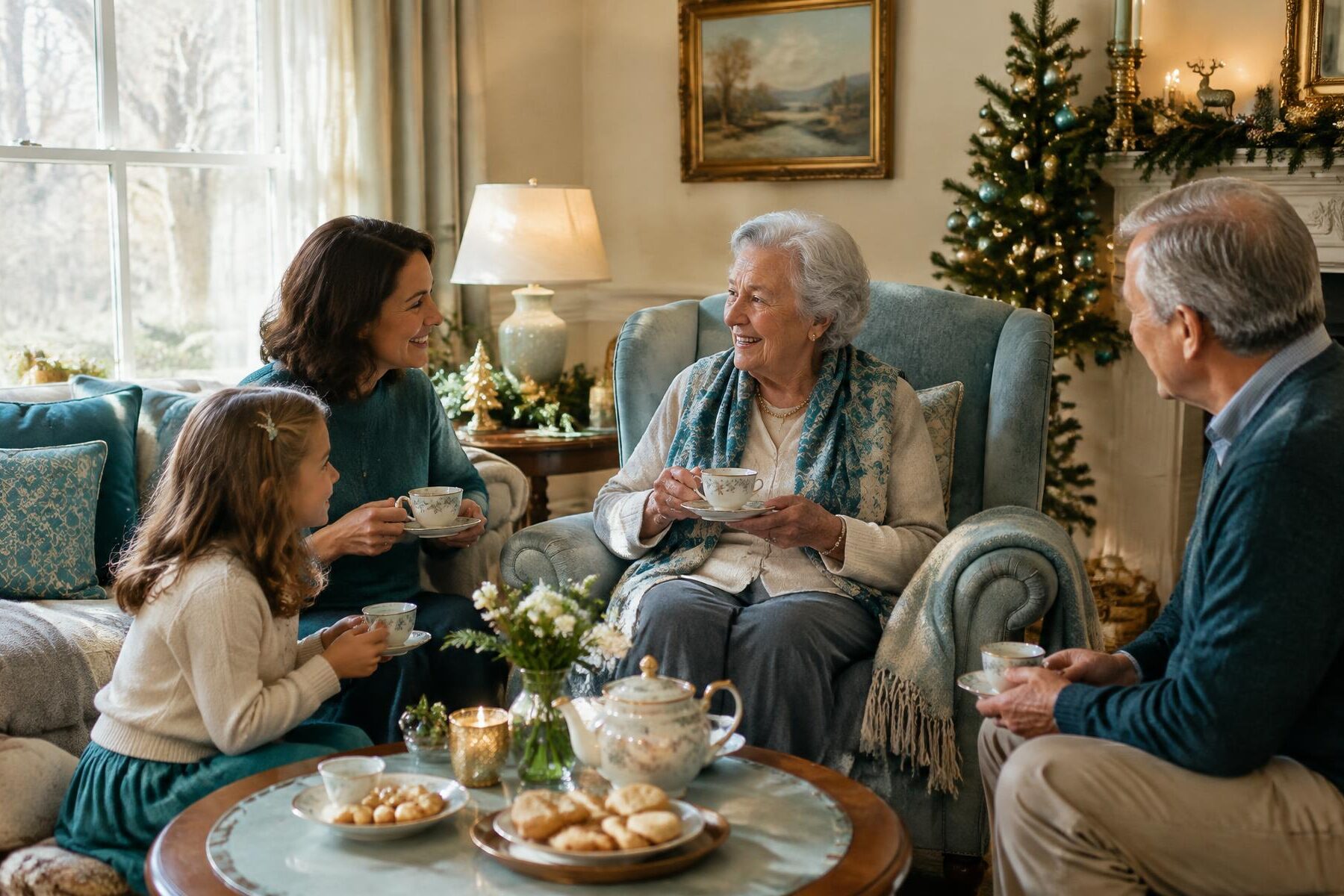
Holiday visits carry a lot of expectations. Families want the traditions, the full table, and the photos. An aging parent may want those things too, but they may also tire more quickly, need more quiet, or prefer a smaller gathering than in years past. Planning around their energy and preferences can make the visit more enjoyable for everyone.
Ask your parent what matters most
Before you plan, ask your parent what they are looking forward to and what feels overwhelming. You might be surprised. Some parents care deeply about one specific tradition and do not mind letting others go. Others would rather host for an hour than attend an all-day event.
- Which part of the holiday means the most to you this year?
- What time of day do you usually feel your best?
- Is there anything you would rather skip or shorten?
- Who would you most like to see?
Their answers become the starting point. This is their holiday, too.
Plan around their best hours
Many people have a time of day when they feel most energetic. If your parent is at their best in the late morning, a holiday brunch may work better than a late dinner. Small changes in timing can make a big difference in how they feel during the gathering.
Build in rest and quiet
Large gatherings can be noisy and tiring, especially for people with hearing changes or who tire easily. Plan a quiet room where your parent can rest without feeling like they are missing out. Let them know it is fine to step away. Schedule breaks into the day rather than waiting for someone to need one.
If you are planning a larger event, our companion article on making family gatherings accessible covers seating, hearing, and mobility in more detail.
Keep routines where you can
Holiday travel and visitors can disrupt sleep, meals, and medication times. Try to keep familiar routines in place. If your parent takes medications at certain times, plan the day so those times are protected, following the instructions from their health care team.
Choose fewer traditions, done well
You do not have to keep every tradition. Pick a few that matter most and give them room. A shorter visit with real connection often means more than a packed schedule. Looking through old photos, listening to favorite music, or cooking one family recipe together can be meaningful and low effort.
Share the work
Holidays often add tasks to the primary caregiver's already full plate. Ask other relatives to take specific jobs: bringing a dish, handling transportation, or keeping your parent company while you prepare. Clear assignments reduce last-minute stress. Our family caregiving roles checklist can help you divide tasks.
A sample holiday day plan
Here is an example of a paced holiday plan. Adjust it to your parent's wishes and needs.
- 10:00 a.m.: Relaxed breakfast at home with one or two family members
- 11:30 a.m.: Main gathering begins. Parent seated in a comfortable chair with good light.
- 1:00 p.m.: Meal served. Quieter table for parent if they prefer.
- 2:00 p.m.: Rest break in a quiet room. Optional, not required.
- 3:00 p.m.: One shared tradition, like looking at photos or a favorite song
- 4:00 p.m.: Guests start to leave so the evening stays calm
Notice changes gently
Holiday visits are often when relatives who live far away see a parent for the first time in months. Changes may be more noticeable. If you notice something that concerns you, avoid discussing it in front of the group. Make a note and raise it privately and calmly later. Our guide to signs an aging parent may need more help offers a calm way to think about what you observe.
Plan for travel, if your parent is traveling
If your parent will travel to see family, keep the trip as simple as possible. Allow extra time, plan rest stops, and pack medications and important documents in a bag they keep with them. Ask whether they would prefer to stay with family or in a quieter place nearby.
Your next step
Call your parent this week and ask one question: "What would make this holiday feel good for you?" Plan the rest from there.